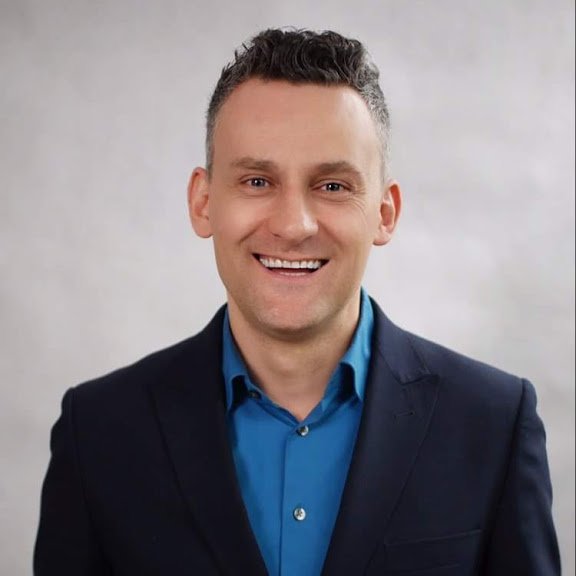
About Andrii
I didn't start in venture capital. I started in IT, shipping real products, which is why I still can't stand a pitch deck that hides the ugly parts.
Over a decade running technology companies as CEO — Global Mind Associated, Phonix, Forum One — taught me what founders actually need at 2am, and it wasn't a term sheet. It was someone who'd seen the fire before.
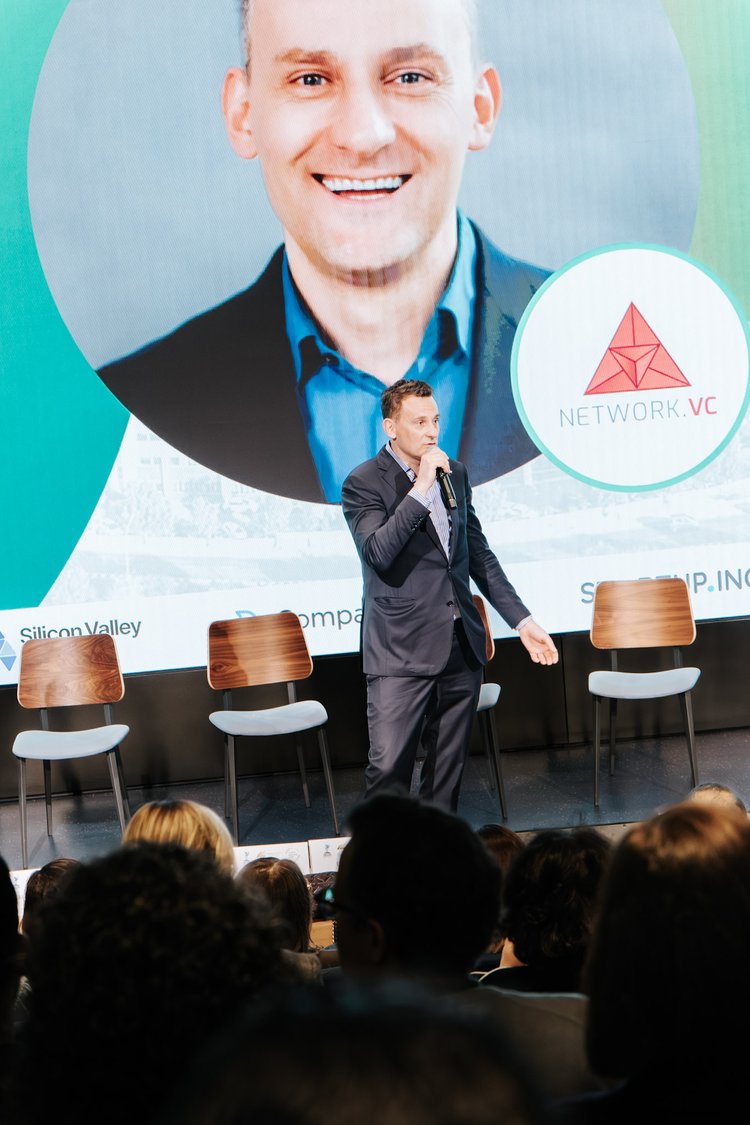
That's the lens I now bring as a Partner at Network VC and Managing Director at Silicon Valley Club: I've backed 118 startups across 57 countries, and co-founded VC House EU, now uniting 580+ venture investors across the continent. Three of my seed bets became unicorns before the term sheet ink was fully dry. One of them rang the Nasdaq bell this year after three checks and eight years of betting on people, not slides.
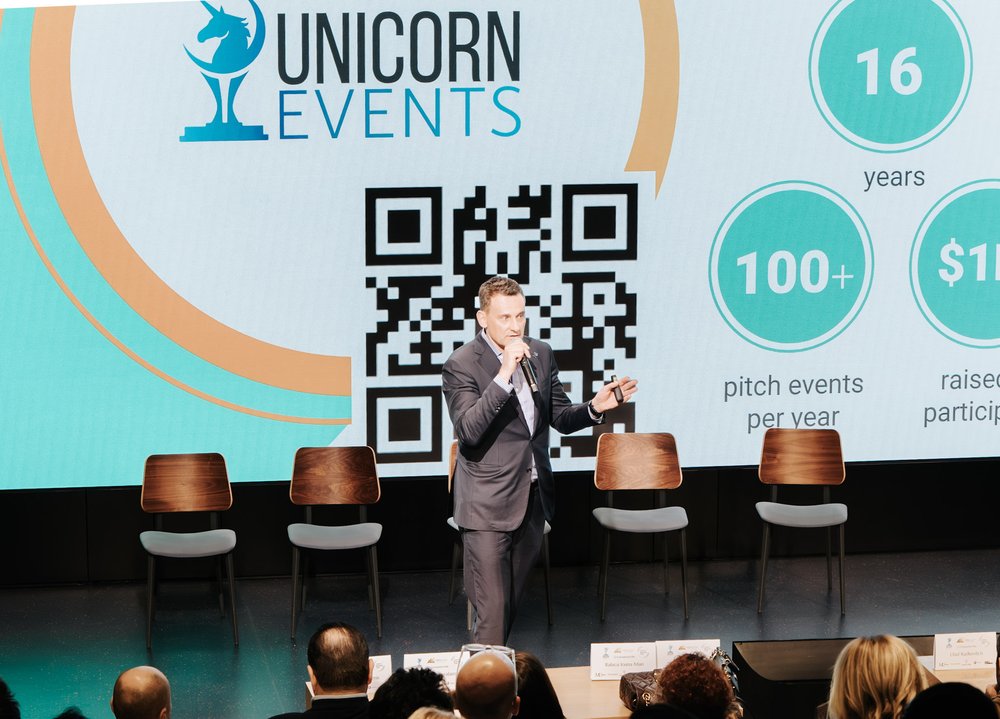
I personally organize 30+ Unicorn Events every year across Europe and the East — Lisbon, Zurich, London, Limassol, Tashkent — inside a platform that runs 100+ globally.
"AI can write you a beautiful pitch deck in ninety seconds. It still can't tell me if you're the kind of founder who answers the phone at 2am when the servers catch fire. That part's still my job."
I still read every deck myself. I still call the customer that wasn't on the reference list. And I still, occasionally, tell founders their traction slide is lying to them — usually before their next investor does it less politely.
01
Building a Future, Not Just a Fund
Venture capital is about backing entrepreneurs who disrupt industries and create lasting value — not chasing whatever category is trending on X this quarter.
02
Supporting Entrepreneurs, Not Just Spreadsheets
Capital plus mentorship plus a network that actually picks up the phone — that's what turns a seed check into a Nasdaq bell.
03
Human Judgment, AI-Accelerated
I use AI to screen deal flow faster than ever. I've never let it score a founder or make the final call — and I won't start now.